


Common Causes of Cargo Lashing Belt Failure and How to Prevent Them
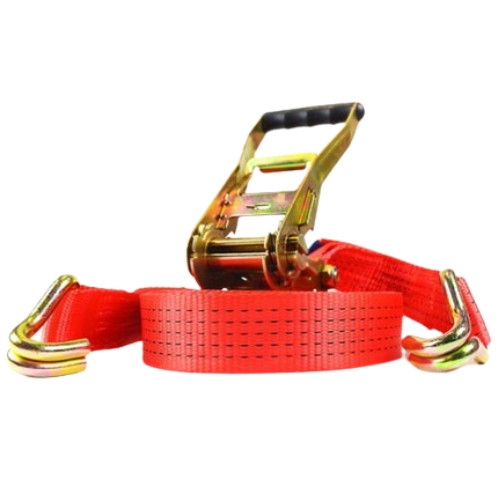
Cargo lashing belts serve an important part in the secure transportation of products. Whether it's heavy machinery, building materials, or industrial equipment, properly secured cargo reduces the likelihood of accidents, product damage, and costly delays. However, even the most durable lashing belts can fail if not used, maintained, or examined properly.
Understanding the common causes of cargo lashing belt failure can help organisations improve safety and extend the life of their equipment. Let's look at the most common reasons and effective measures to prevent them.
Why Do Cargo Lashing Belts Matter?
Cargo lashing belts are intended to keep loads steady during transport. They prevent shifting, tipping, and movement induced by abrupt brakes, quick turns, or uneven road surfaces.
Businesses in logistics, shipping, construction, and storage rely on high-quality equipment from a reputable Cargo Lashing Belt Supplier UAE to provide consistent load restraint and safe operations.
However, even premium belts require correct care and routine inspections to function well.
1. Overloading the Lashing Belt
One of the most prevalent causes of belt failure is exceeding the rated capacity.
Every cargo lashing belt has a particular Working Load Limit (WLL). When the load exceeds this limit, excessive stress might weaken the webbing and cause damage to the ratchet mechanism.
How To Prevent It
-
Always examine the belt's load capacity.
-
Calculate the cargo's weight before fastening it.
-
For heavy loads, use numerous belts.
-
Follow the manufacturer's requirements and industry norms.
Choosing the right product from an expert Ratchet Lashing Belt Supplier Dubai guarantees that your equipment is appropriate for its intended use.
2. Wear and tear over time
Cargo lashing belts, like any other piece of equipment, eventually wear out with regular use. Constant stress, vibration, and exposure to severe environments gradually degrade their strength.
Common symptoms of wear are:
-
Frayed edges.
-
Cuts and rips.
-
Loose stitches
-
Fading and discolouration
-
Damaged ratchet mechanisms.
Ignoring these warning indicators raises the likelihood of an unexpected failure during transportation.
How To Prevent It
-
Inspect the belts before and after each use.
-
Belts that have been damaged should be replaced promptly.
-
Create a regular maintenance routine.
-
Keep a record of inspections and replacements.
Preventive maintenance increases safety and eliminates unplanned downtime.
3. Exposure to harsh environmental conditions
Environmental conditions have a considerable impact on cargo lashing belt performance.
Common hazards include:
-
Excessive sun and ultraviolet exposure
-
Moisture and humidity.
-
Chemicals and Oils
-
Extreme temperatures.
-
Saltwater habitats.
These circumstances damage the polyester fibres over time, reducing the belt's strength.
How To Prevent It
-
Keep belts in a cool, dry location.
-
Keep them free from chemicals and corrosives.
-
Clean the belts after each usage.
-
Avoid prolonged exposure to direct sunlight.
Many firms that use Cargo Securing Belt UAE solutions engage in correct storage methods to extend equipment life.
4. Damage caused by sharp edges
Sharp edges and rough surfaces are major enemies of cargo lashing belts.
During transportation, the continual contact between the belt and sharp edges can cause wounds and abrasion. Even tiny cuts can significantly diminish the belt's load-bearing capability.
How To Prevent It
-
Use corner or edge guards.
-
Place belts carefully to avoid contact with sharp surfaces.
-
Before attaching the cargo, inspect it for any rough or abrasive surfaces.
Simple protective equipment can significantly lower the chance of webbing damage.
5. Improper use of ratchet mechanisms
The ratchet assembly is required for applying and maintaining appropriate tension. Improper operation or excessive force might harm the mechanism and reduce overall performance.
Common mistakes include:
-
Overtightening the strap.
-
Using a damaged ratchet
-
releasing tension incorrectly
How To Prevent It
-
Train employees on proper operational methods.
-
Follow the manufacturer's directions.
-
Immediately replace any damaged components.
Working with a reputable Ratchet Lashing Belt Supplier Dubai ensures access to high-quality items and experienced advice on proper application.
6. Lack of regular inspections
Many belt failures occur simply because defective equipment is overlooked.
Regular inspections aid in detecting problems before they become severe safety threats.
Look for:
-
Frayed webbing
-
Broken stitching
-
Bent hooks
-
Corroded fittings
-
Faulty ratchets
How To Prevent It
-
Conduct daily visual checks.
-
Schedule regular comprehensive inspections.
-
Replace any belts that show signs of deterioration.
-
Employees should be trained to recognise wear and flaws.
Businesses who purchase items from a reliable Cargo Lashing Belt Supplier UAE frequently receive important assistance and recommendations for inspection and maintenance practices.
Final Thoughts
Cargo lashing belts are crucial instruments for ensuring safe and efficient transportation. However, overloading, wear and strain, weather exposure, sharp edges, inappropriate handling, and inadequate storage can all contribute to premature failure.
Understanding these common reasons and implementing preventive steps can help organisations enhance workplace safety, secure precious cargo, and save replacement costs.
Working with a reputable Cargo Lashing Belt Supplier UAE guarantees access to high-quality solutions suited for demanding applications. Whether you require long-lasting ratchet straps or dependable Cargo Securing Belt UAE products, investing in quality equipment and routine maintenance is critical to safe and profitable cargo transportation.

 Arabic
 French
 Spanish
 Portuguese
 Deutsch
 Turkish
 Dutch
Dutch
 Italiano
 Russian
 Romaian
 Portuguese (Brazil)
 Greek
Greek