


Bapesta: The Iconic Sneaker That Changed Streetwear Forever
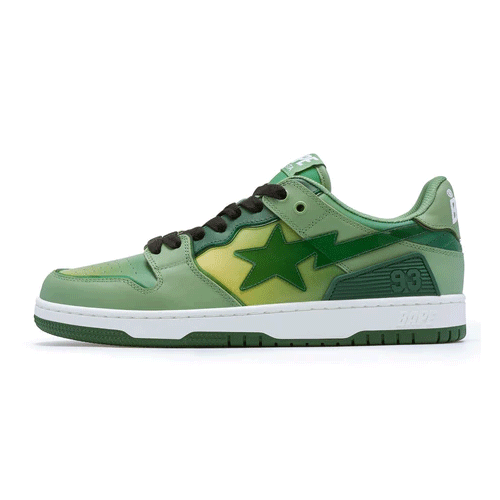
Streetwear has produced many legends, but few have had the lasting influence and undeniable style of the Bapesta. Bold, loud, and unmistakably iconic, this sneaker from Japanese label A Bathing Ape (BAPE) has cemented its place in the fashion world. From hip-hop collaborations to global sneaker drops, the Bapesta is more than a shoe—it’s a symbol of street culture.
Whether you're a seasoned sneakerhead or a newcomer to the streetwear scene, understanding the history and cultural relevance of the Bapesta is key to appreciating its continued dominance. Let’s dive into the evolution, design elements, and influence of the Bapesta sneaker, and why it continues to matter in 2025.
The Birth of the Bapesta: A Sneaker with a Story
The Bapesta was first introduced in the early 2000s by BAPE founder Nigo, a fashion visionary known for blending hip-hop inspiration with Japanese street style. At a time when Nike’s Air Force 1 dominated the sneaker world, Nigo saw an opportunity to create something similar—but infused with his brand's playful, rebellious identity.
The result was the Bapesta. Taking visual cues from the Air Force 1, it featured the same chunky silhouette but replaced the Swoosh with BAPE’s signature shooting star logo. Patent leather uppers in bold colorways became the shoe’s trademark, turning heads with every step.
While critics initially labeled it a knock-off, fans quickly embraced its unique flair. What could have been dismissed as imitation instead became innovation, thanks to Nigo’s masterful marketing and the sneaker’s undeniable appeal.
Bapesta and Hip-Hop: A Cultural Power Move
It wasn’t long before the Bapesta crossed over into hip-hop. Rappers and artists began rocking the sneakers, turning them into symbols of status and authenticity. Pharrell Williams, Kanye West, and Soulja Boy were early adopters, helping catapult Bapesta into global fame.
This wasn’t accidental. BAPE’s founder Nigo was deeply embedded in hip-hop culture. His friendships with key artists, and his ability to fuse Japanese streetwear with American rap aesthetics, allowed Bapesta to become a cultural bridge. These connections turned BAPE into a lifestyle brand, and the Bapesta into a must-have item for fans of both fashion and music.
In the mid-2000s, collaborations between BAPE and major artists solidified the Bapesta’s position in streetwear history. Special editions, often limited and highly collectible, drove demand through the roof. Resale prices skyrocketed, and Bapesta became synonymous with exclusivity.
The Design That Defines the Bapesta
One of the most recognizable elements of the Bapesta is its glossy patent leather finish. From candy-colored blues and pinks to camouflage and metallics, the colorways were anything but subtle. Each release pushed boundaries, challenging the understated tones of traditional sneaker drops.
The signature "STA" logo, a shooting star wrapped in lightning energy, gave the shoe a visual punch that couldn't be ignored. Combine that with chunky soles, custom insoles, and premium materials, and you had a sneaker that was loud, luxurious, and proudly over-the-top.
Over time, BAPE refined the Bapesta, introducing new silhouettes like the Bapesta Mid and even experimenting with different materials. Despite evolving, the sneaker never lost its original identity—bold, unapologetic, and trend-defining.
Bapesta vs Air Force 1: Imitation or Innovation?
The similarities between the Bapesta and Nike’s Air Force 1 have been a topic of conversation since day one. Both sneakers share a nearly identical silhouette, from the shape to the sole construction. But BAPE never denied the influence. In fact, Nigo openly paid homage to the AF1, while reinterpreting it through the lens of Japanese streetwear and pop culture.
The difference lies in execution. Where the Air Force 1 was rooted in athletic heritage, the Bapesta was born from fashion. It embraced bright colorways, anime-style aesthetics, and urban luxury. For many fans, it wasn't a matter of one replacing the other—but rather, both representing different sides of the sneaker world.
In today’s era of reimagined classics and fashion collaborations, the Bapesta’s early mimicry feels more like a precursor to current trends than a copycat move. It was ahead of its time—bold enough to reference a classic, but smart enough to make it its own.
Bapesta in the Modern Streetwear Landscape
Fast forward to 2025, and the Bapesta is still going strong. Collaborations remain a key strategy for the brand, with recent drops including partnerships with international designers, artists, and even anime franchises. Each release brings fresh energy to the silhouette, maintaining relevance among Gen Z and veteran sneakerheads alike.
In an age dominated by hype culture and fast drops, Bapesta stands out by staying true to its roots. It doesn’t chase trends; it sets them. Even with competition from brands like Travis Scott’s Jordan line or Yeezy releases, the Bapesta holds its own through consistency and creativity.
Streetwear forums and communities still buzz with excitement over new colorways and restocks. For anyone building a rotation, owning at least one pair of Bapestas feels like a rite of passage—a nod to the history of the culture.
The Resale Market and Collector Appeal
Thanks to its limited releases and cultural cachet, Bapestas often command high prices on the resale market. Collectors value early 2000s pairs for their rarity and nostalgia, while newer collaborations fetch top dollar for their design and exclusivity.
What makes the Bapesta unique in the resale world is its crossover appeal. It attracts sneaker collectors, streetwear fans, and even art enthusiasts. With each drop, BAPE manages to create a product that feels like both fashion and artifact.
That said, not every Bapesta is hard to get. BAPE has struck a balance between accessibility and exclusivity. Some general releases are available through flagship stores and select online retailers, offering fans the chance to rock the style without breaking the bank.
Styling the Bapesta: How to Wear It Today
The Bapesta’s loud aesthetic might seem intimidating to style, but it's surprisingly versatile. Its roots in hip-hop and urban fashion make it a natural fit with baggy jeans, oversized tees, and varsity jackets. But the modern sneaker enthusiast has found ways to incorporate Bapestas into more curated fits—think cargo pants, minimalist hoodies, or even tailored streetwear looks.
Color is key when styling the Bapesta. A bold pair can be the centerpiece of your outfit, while a neutral colorway can subtly elevate a monochrome look. The sneaker’s confidence invites experimentation, making it a staple for those who aren’t afraid to stand out.
The Future of Bapesta: Legacy in the Making
As fashion cycles continue to spin, few sneakers have the staying power of the Bapesta. Its ability to evolve without losing its essence is rare in an industry known for fleeting trends. BAPE’s commitment to quality, creativity, and cultural connection ensures that the Bapesta remains more than just a nostalgic throwback.
With more global reach, rising collaborations, and a new generation discovering the brand, the Bapesta’s future looks as bold as its past.
Final Thoughts
The Bapesta isn't just a sneaker—it’s a statement. It represents a collision of cultures, a fearless approach to fashion, and a refusal to conform. Born in Tokyo, raised by hip-hop, and fueled by creativity, the Bapesta is an icon that continues to shape the streetwear narrative.

 Arabic
 French
 Spanish
 Portuguese
 Deutsch
 Turkish
 Dutch
Dutch
 Italiano
 Russian
 Romaian
 Portuguese (Brazil)
 Greek
Greek