


Innovations in Composite Mounts for Military Aircraft
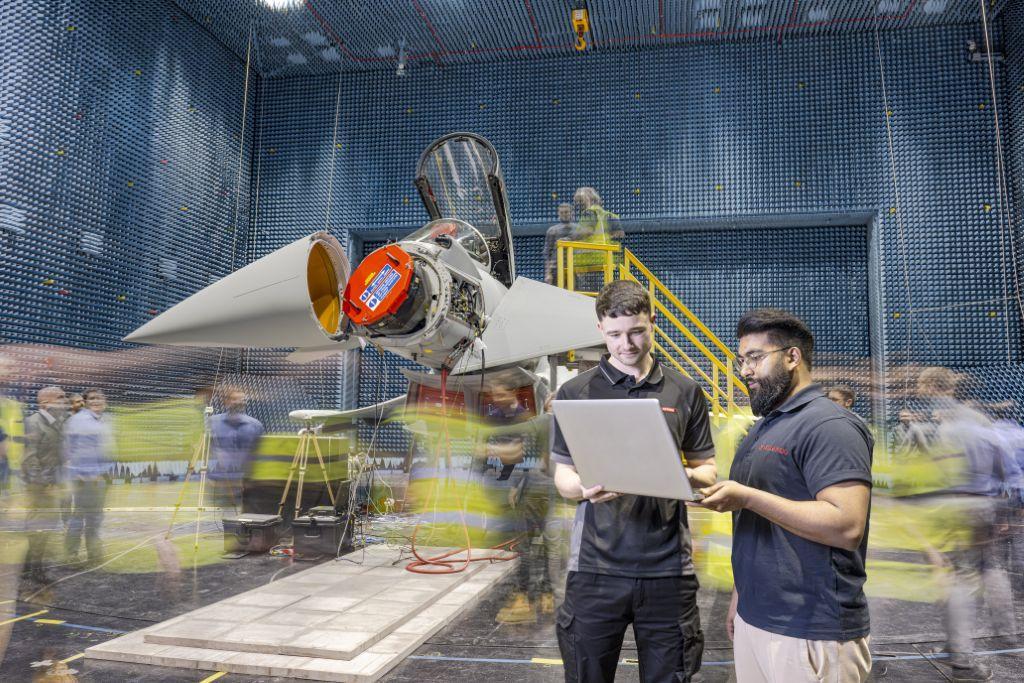
The development of advanced composite mounts represents a significant innovation in military aircraft technology, enabling enhanced performance, reduced weight, and improved mission capabilities. As per Market Research Future, military aircraft modernization is a primary driver for advanced mounts, with the U.S. Department of Defense budget request signaling expanded investment in military aviation programs. The adoption of lightweight structural components enables military aircraft to achieve greater payload capacity and fuel efficiency, with composites providing superior strength-to-weight ratios critical for high-performance combat and transport aircraft. Essential components in aircraft mounts are used in fighter and transport aircraft, helicopters, ISR, and unmanned systems, with increasing defense budgets in procurement, RDT&E, and sustainment directly elevating demand for these mounting systems.
The shift toward composite materials in military aircraft mounts is driven by demanding operational requirements. Military platforms, including fighter aircraft, helicopters, and transport aircraft, impose unique thermal and operational extremes as well as stringent survivability and mission-readiness standards. The need for mounts capable of handling high thrust-to-weight ratios and offering signature management requires suppliers to align with defense contractors and invest in R&D for materials meeting these often-classified performance specifications. Conventional metallic mounts are progressively being superseded by advanced carbon fiber and thermoplastic composites, which provide exceptional strength-to-weight ratios while preserving vital vibration isolation functions critical for military operational readiness. These materials enable designers to optimize vibration paths and reduce transmitted loads without increasing mass, essential for high-G maneuvering and combat operations.
The global military expenditure reaching a historic peak of $2.7 trillion in 2024 further accelerates innovation in military aircraft mount technology. Air forces around the globe are heavily investing in next-generation fighter jets, transport vessels, and rotary-wing aircraft that necessitate advanced elastomeric and metal-mesh mounts capable of enduring extreme G-forces and combat-related shocks. The scale of this financial commitment guarantees continued procurement of specialized mounts essential for operational readiness and durability of upgraded military fleets, creating diverse revenue opportunities for manufacturers outside the commercial aviation sphere. The U.S. aerospace and defense exports reaching $104.8 billion in 2022 indicate the immense value of the OEM supply chain that includes aircraft mounts, with leading destinations including Canada, France, and the UK.
FAQ 1: What are the advantages of composite mounts for military aircraft?
Composite mounts offer superior strength-to-weight ratios, enhanced vibration isolation, ability to handle extreme operational conditions, and meet classified performance specifications for signature management and survivability.
FAQ 2: How is defense spending affecting the Aircraft Mounts Market?
Increased global military expenditure, reaching $2.7 trillion in 2024, drives demand for specialized mounts for next-generation fighter jets, transport aircraft, helicopters, and unmanned systems, creating diverse revenue opportunities for manufacturers.

 English
 Arabic
 French
 Spanish
 Portuguese
 Turkish
 Dutch
Dutch
 Italiano
 Russian
 Romaian
 Portuguese (Brazil)
 Greek
Greek