


The Growing Demand for Crane Valves in Renewable Energy Projects
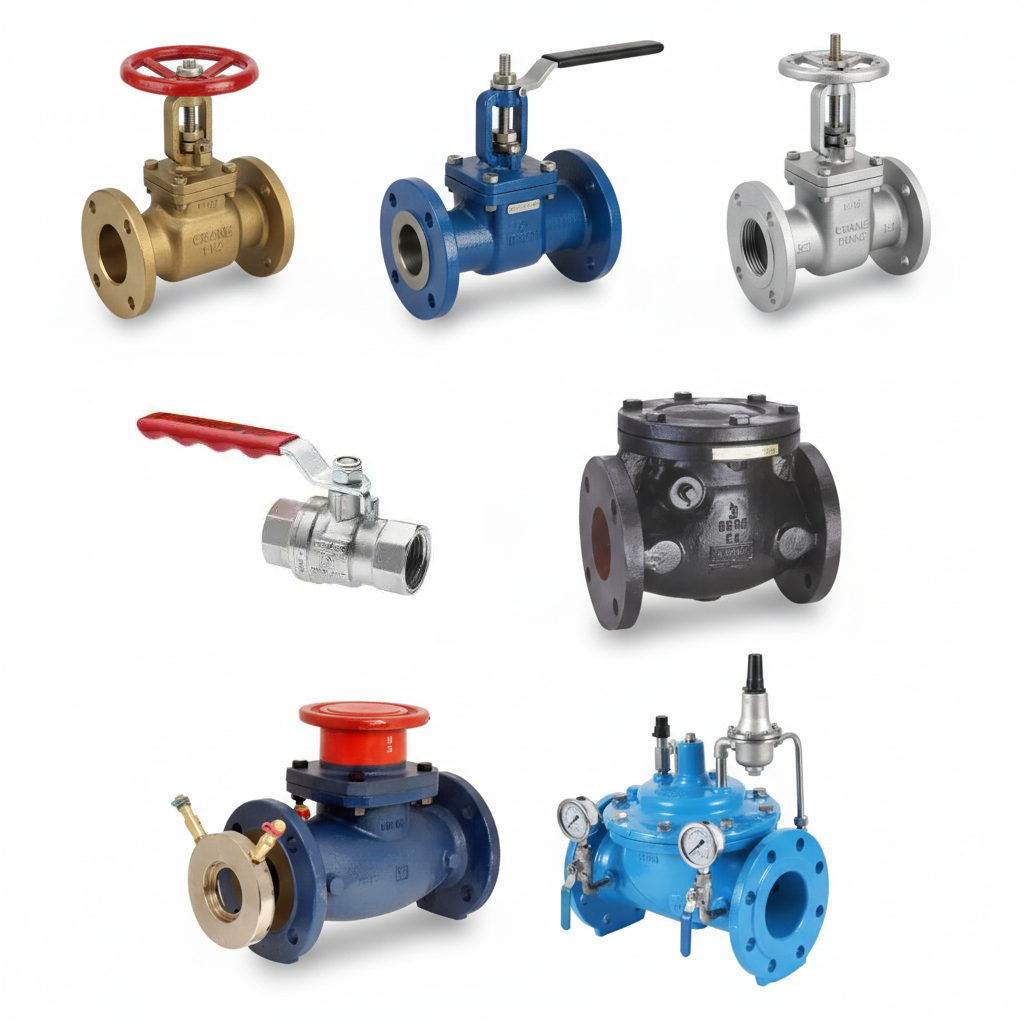
The global transition to clean and sustainable energy has opened up new prospects for modern industrial equipment. As renewable energy projects proliferate, the demand for dependable and efficient flow control systems grows. Crane Valves, one of many components that contribute to smooth operations, have emerged as a reliable choice for engineers and facility operators.
Crane Valves are well-known for their durability, precision, and excellent performance, and they play an important part in the global support of renewable energy infrastructure. These valves assist assure safe and efficient operations in a variety of applications, including solar power plants, biomass facilities, and district cooling systems. They also contribute to sustainability goals.
Why Reliable Valves Matter in Renewable Energy
Renewable energy installations operate in harsh environments and require reliable equipment. Efficient fluid control is critical for preserving system performance, minimizing downtime, and increasing energy output.
Valves control the flow of liquids, gases, and steam through various systems. Any breakdown can disrupt operations, raise maintenance costs, and reduce overall productivity.
This is why project developers and engineers are increasingly choosing Crane Valves, which are known for their high quality and long-lasting performance.
Supporting Solar Energy Systems
Solar power installations are quickly increasing throughout numerous regions. While solar panels generate energy from sunlight, various supporting systems rely on efficient flow management.
Crane Valves are widely utilized in:
-
Cooling systems
-
Heat-transfer circuits
-
Water distribution networks
-
Thermal storage uses
These valves ensure proper flow control and contribute to system efficiency. Their tough design offers dependable performance even in extreme temperatures and weather conditions.
As solar energy projects expand, the demand for high-performance valve solutions is projected to increase.
Essential for Biomass Power Plants
Biomass energy plants use biological resources to generate power and heat. These facilities have complicated systems for handling steam, water, and other process fluids.
Crane Valves are commonly used in biomass plants because they provide:
-
Excellent sealing performance.
-
High pressure resistance.
-
Long service life.
-
Reliable flow regulation.
Their endurance allows plant operators to reduce maintenance requirements while increasing operational efficiency.
Applications in district cooling systems
District cooling is increasingly popular as an energy-efficient alternative, particularly in urban areas. These systems transport chilled water to many buildings, lowering total energy use.
Crane Valves are critical to ensuring adequate flow balance and temperature management in these networks. Their accurate operation helps to save energy and increase system performance.
As cities prioritize sustainability, district cooling projects are likely to grow, increasing the demand for improved valve technology.
Enhancing Energy Efficiency
Energy efficiency is one of the top priorities for renewable energy initiatives. Equipment must be reliable while minimizing energy losses.
Crane Valves helps achieve these goals by providing:
-
Smooth flow control
-
Reduced pressure drops
-
Improved process stability
-
Better temperature regulation
Efficient flow management reduces operational costs and increases the production of renewable energy installations.
Durability in Challenging Environments
Renewable energy facilities frequently operate in harsh settings, with equipment exposed to heat, pressure, moisture, and corrosive substances.
Crane Valves are made from high-quality materials that are extremely resistant to wear and corrosion. Their robust design enables them to survive tough operational conditions while delivering dependable performance.
This durability qualifies them for applications such as:
-
Geothermal plants
-
Biomass facilities
-
Water treatment systems
-
Solar Thermal Projects
-
Marine renewable energy installations
-
Reducing Maintenance Costs
Unexpected shutdowns have a substantial impact on energy output and project profitability. One of the primary benefits of Crane Valves is its ability to provide long-term stability.
Their durable design reduces wear and increases service life, resulting in:
-
Lower maintenance costs
-
Reduced downtime
-
Increased productivity
-
Increased operating efficiency
For renewable energy operators, these advantages translate into improved financial performance and system resilience.
Supporting Sustainable Infrastructure
Sustainability is more than just producing clean energy; it also entails using long-lasting and efficient components that limit waste and resource use.
Crane Valves support sustainable infrastructure by:
-
Improving system efficiency
-
Extending equipment's lifespan
-
Reducing the maintenance requirements
-
Supporting safe and dependable operations
Their performance is well aligned with the objectives of modern renewable energy projects, which stress environmental responsibility and long-term profit.
Growing demand across multiple renewable sectors
Crane Valves are currently utilized extensively in:
-
Solar Energy Plants
-
Biomass facilities
-
Geothermal power plants
-
District cooling systems
-
Water treatment projects
-
Hydrogen Energy Applications
-
Waste-to-energy plants
As governments and commercial organizations continue to invest in renewable energy, the demand for reliable flow control technologies will increase.
Future Trends in Valve Technology
The renewable energy sector is quickly evolving. Smart monitoring systems, automation, and new materials are defining the future of valve technology.
Modern Crane Valves are rapidly being connected with automated control systems, enabling operators to more effectively monitor performance and optimize processes.
These improvements help renewable energy installations increase productivity while lowering operational hazards.
Conclusion
Renewable energy projects require dependable, efficient, and long-lasting components. Crane Valves have a solid reputation for meeting these specifications in a wide range of applications.
Their capacity to improve flow management, lower maintenance costs, and increase system efficiency makes them a crucial component of modern renewable energy infrastructure. As the globe transitions to cleaner energy sources, the need for high-quality Crane Valves is predicted to increase continuously, making them an important contribute to a more sustainable future.

 English
 Arabic
 French
 Spanish
 Portuguese
 Turkish
 Dutch
Dutch
 Italiano
 Russian
 Romaian
 Portuguese (Brazil)
 Greek
Greek