


Commercial vs. Residential: Segment Analysis of Blender Market
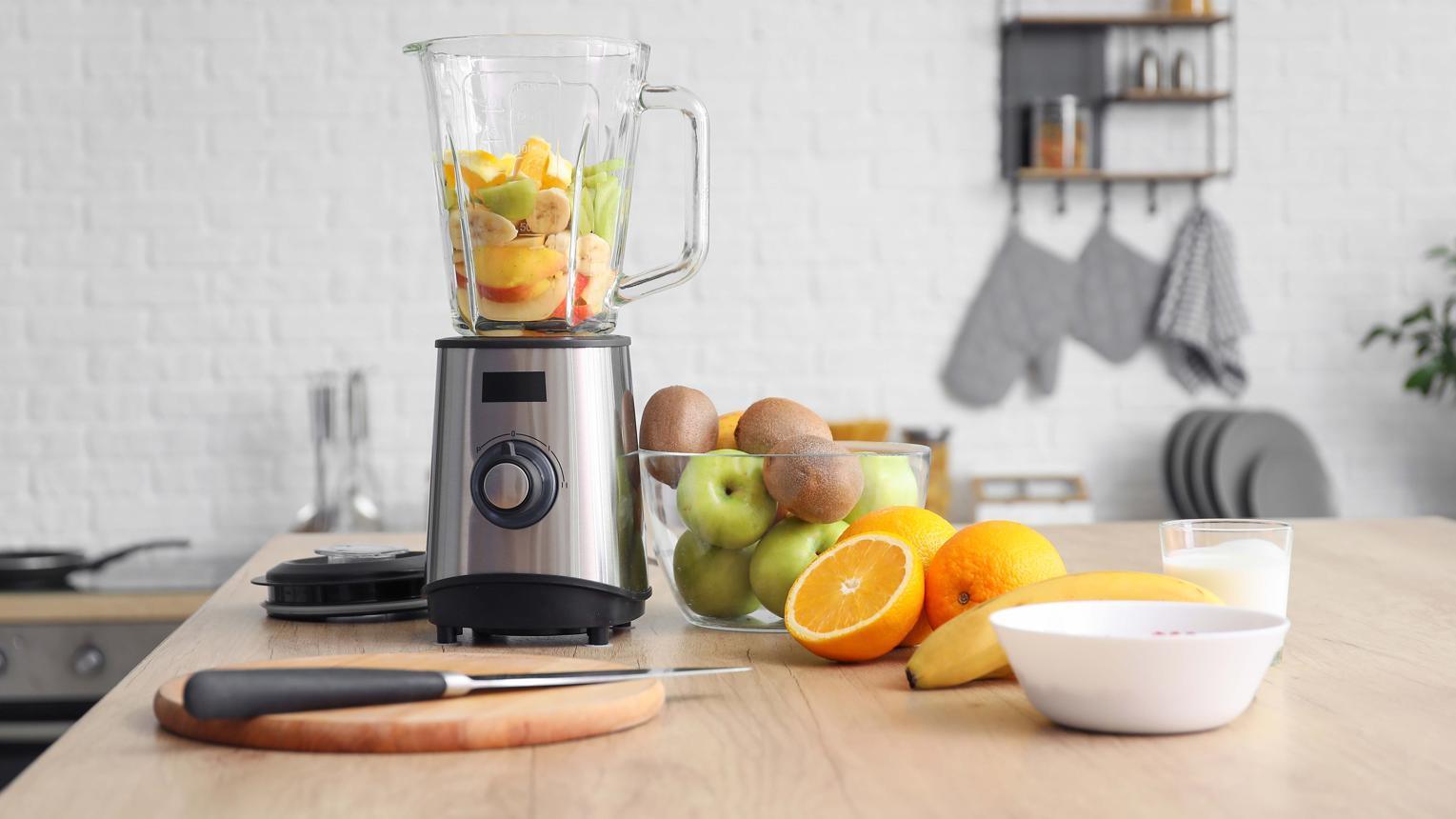
The Countertop Blenders market exhibits a clear segmentation between residential and commercial end-users, each with distinct demands and growth drivers. As per Market Research Future, while the residential sector holds a significant market share due to the rise in home cooking and health consciousness, the commercial segment is the fastest-growing. The residential market is characterized by a wide range of users, from casual home cooks to culinary enthusiasts, seeking convenient, user-friendly, and affordable appliances. In contrast, the commercial sector, which includes restaurants, bakeries, and food processing plants, demands high-capacity, durable, and efficient equipment for high-volume operations.
The Countertop Blenders segment is being driven by trends like home cooking and the desire for multifunctional devices that save kitchen space. Brands are competing on features like power, capacity, material, and smart technology to attract this diverse consumer base. On the other hand, the commercial segment is rapidly expanding due to the growth of the food service industry, including quick-service restaurants and ghost kitchens. These businesses require industrial-grade mixers that offer high-speed operation, precision, and consistency to meet large-scale production demands.
The growth in the commercial sector is particularly notable in applications like bakery and beverages. The rising consumption of baked goods necessitates heavy-duty mixers capable of handling large dough batches, while the demand for blended beverages in cafes drives the need for robust, high-performance blenders. As per Market Research Future, the increasing number of food service establishments is a key factor fueling the rapid growth of the commercial segment. This divergence in needs is pushing manufacturers to develop specialized product lines, ensuring both the residential and commercial segments contribute significantly to the overall market's robust growth.
FAQ 1: What are the main differences between the residential and commercial segments in this market?
The residential segment focuses on convenience, affordability, and multi-functionality for home use, while the commercial segment demands high-capacity, durable, and efficient equipment for high-volume food service and processing.
FAQ 2: Why is the commercial segment of the Food Blender Mixer Market growing so fast?
The commercial segment is growing rapidly due to the expansion of the food service industry, including restaurants and bakeries, which require high-performance, reliable mixing equipment to meet production demands.

 English
 Arabic
 French
 Spanish
 Deutsch
 Turkish
 Dutch
Dutch
 Italiano
 Russian
 Romaian
 Portuguese (Brazil)
 Greek
Greek