


Craft Brewing Driving Specialty Malt Demand Growth
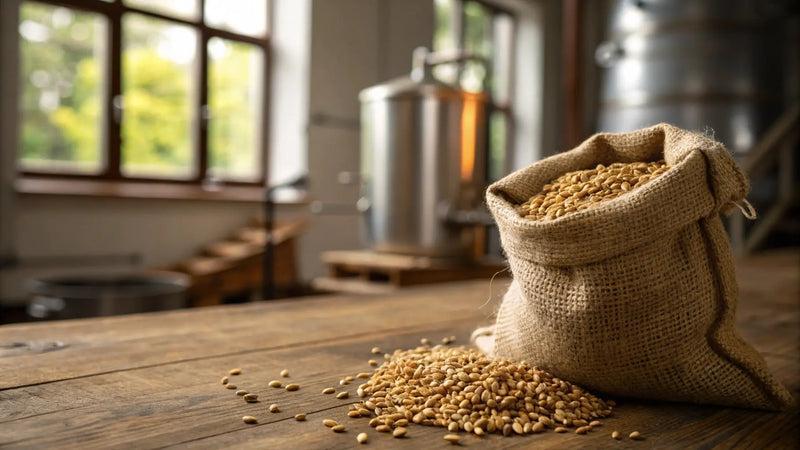
The Specialty Malt Market is fundamentally anchored by the vibrant and expanding craft brewing industry, which represents the largest and most dynamic application segment as thousands of breweries worldwide seek high-quality, unique specialty malts to create innovative recipes, complex flavor profiles, and distinctive beers that cater to the growing consumer demand for artisanal beverages. As per Market Research Future, the Specialty Malt Market Size was estimated at 3.198 USD Billion in 2024. The Specialty Malt industry is projected to grow from 3.387 USD Billion in 2025 to 6.027 USD Billion by 2035, exhibiting a CAGR of 5.93% during the forecast period 2025 - 2035. The pivotal role of craft brewing malt demand underscores its importance in driving market growth.
Among these, brewing commands the largest share, driven by the growing consumer demand for craft beers and unique brewing styles. As craft breweries proliferate globally, the need for high-quality specialty malts has surged, underlining brewing's preeminent position in this market. Brewing stands out as the dominant application in the Specialty Malt Market, characterized by the use of a broad range of malts that contribute to the distinct flavors, aromas, and appearances of various beer styles. This segment is driven by innovation among craft brewers who continually seek new malt varieties to create unique blends. The Brewing segment is expected to grow from 1.5 USD Billion in 2024 to 2.8 USD Billion by 2035, reflecting its continued market leadership.
The craft beer popularity is a key driver for the brewing segment. The rising popularity of craft beer has emerged as a pivotal driver for the Specialty Malt Market. As consumers increasingly seek unique flavors and artisanal products, craft breweries are turning to specialty malts to differentiate their offerings. In 2025, the craft beer segment is projected to account for a substantial share of the overall beer market, with specialty malts playing a crucial role in flavor development. This trend indicates a growing demand for diverse malt profiles, which enhances the appeal of craft beers. Consequently, the Specialty Malt Market is likely to experience significant growth as breweries invest in high-quality malts to meet consumer preferences.
Innovations in malt production are also fueling the brewing segment. Innovations in malt production techniques are significantly influencing the Specialty Malt Market. Advances in malting technology, such as precision malting and improved drying processes, have enabled maltsters to produce a wider variety of specialty malts with enhanced flavor profiles. These innovations not only improve efficiency but also allow for greater customization to meet the specific needs of brewers. As a result, the market for specialty malts is expected to expand, with an increasing number of maltsters adopting these advanced techniques to provide the diverse, high-quality malts that brewers demand.
FAQ Section:
Q1: Why is brewing the dominant application in the specialty malt market?
A: Brewing is the dominant application because craft and commercial breweries are the primary consumers of specialty malts. They use a wide variety of malts to create the distinctive flavors, colors, and aromas of different beer styles, driving the majority of market demand.
Q2: How does the growth of craft breweries impact the specialty malt market?
A: The growth of craft breweries directly increases demand for specialty malts. As brewers innovate and create unique recipes, they seek a diverse range of malts, including pale, caramel, roasted, and crystal varieties, to differentiate their products and meet consumer demand for complex, artisanal flavors.

 English
 Arabic
 French
 Spanish
 Portuguese
 Turkish
 Dutch
Dutch
 Italiano
 Russian
 Romaian
 Portuguese (Brazil)
 Greek
Greek